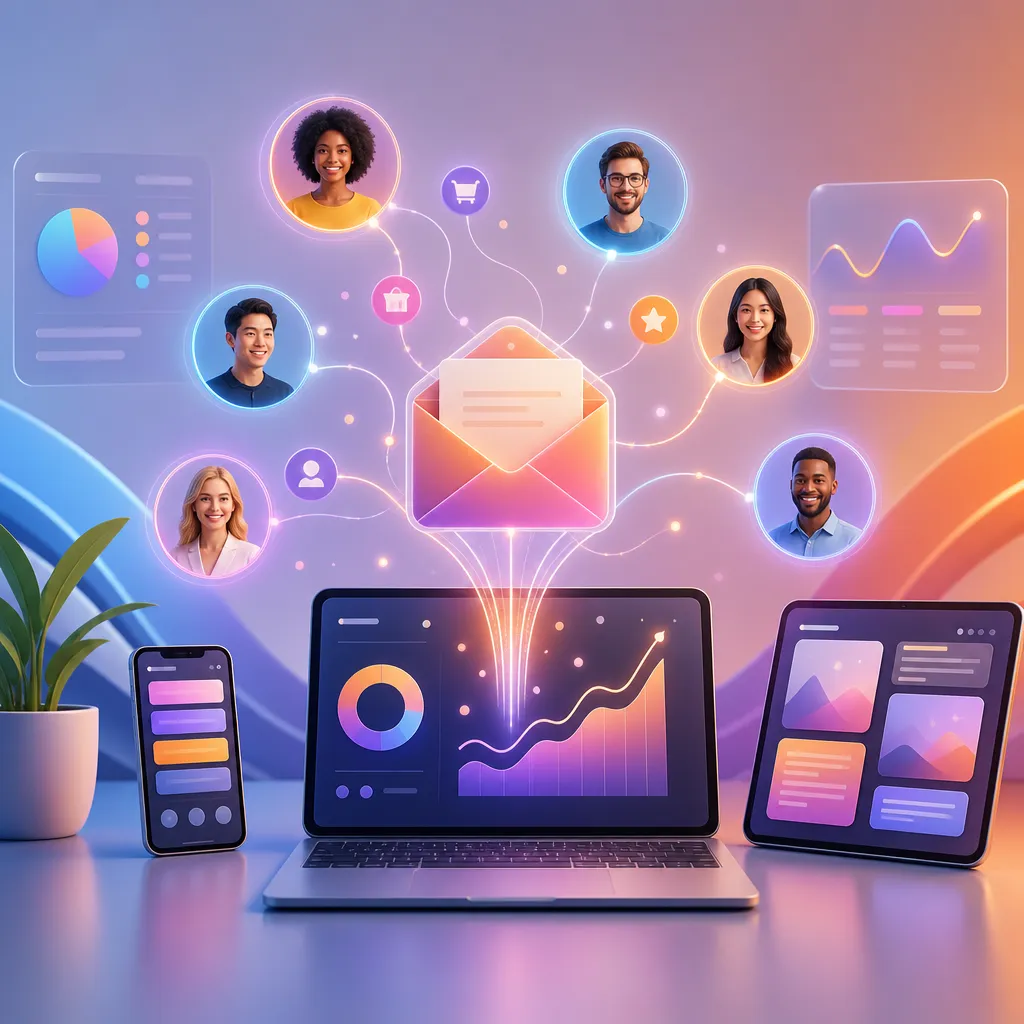
Email marketing has evolved dramatically, and in 2026, the game has changed once again. Gone are the days when a simple "Hi, [first name]" could impress your audience. Today, consumers demand more meaningful connections, and AI is the key to unlocking those personalized experiences. In this article, we'll explore how to leverage AI for effective email personalization that resonates with your audience and drives conversions.
The New Age of Personalization
In an era where AI-driven shopping agents predict what consumers want even before they search for it, the standard for email personalization has skyrocketed. No longer can brands rely on generic batch-and-blast emails. Instead, they must embrace sophisticated techniques to capture attention and foster loyalty.
Key Takeaways
- AI has raised the bar: Customers now expect personalized experiences that go beyond mere name tokens and basic segmentation.
- Zero-party and first-party data: These data types are crucial for crafting effective personalized email campaigns that resonate with recipients.
- Advanced tactics are essential: Implementing advanced segmentation, predictive modeling, and conditional logic can differentiate high-performing email programs from average ones.
- Personalization drives results: Tailored email content leads to higher conversion rates, improved retention, and greater ROI.
- ESP capabilities vary: While different Email Service Providers (ESPs) offer various features, enhancing personalization typically boosts performance metrics across the board.
Why Personalization Matters
Consumers today want to feel valued and understood, not just like another number on an email list. The rise of AI-powered tools has set a new benchmark for what personalized experiences should look like. Brands that fail to meet these expectations risk being ignored or unsubscribed from.
Research consistently shows that utilizing zero-party data (ZPD)—information customers willingly share—alongside first-party data (behavioral insights) leads to better engagement and conversion rates. Brands that are succeeding in this space are not just relying on one-off tactics; they are implementing systematic strategies that leverage these data types to create hyper-targeted campaigns.

The Data Foundation: Zero-Party vs. First-Party
To personalize effectively, you need the right data inputs:
- Zero-party data (ZPD): This is the data customers provide directly, such as preferences from quizzes or surveys. ZPD is highly reliable because customers willingly share it.
- First-party data: This includes behavioral information like purchase history and email engagement. While it reflects actual consumer behavior, it can be less straightforward than zero-party data.
The best email programs integrate both data types to create comprehensive customer profiles. This approach enables more effective segmentation, tailored messaging, and timely communications.
What Advanced Personalization Looks Like
To stand out, brands must move beyond basic segmentation. Here’s how advanced personalization can transform your email strategy:
Conditional Logic in Automations
Instead of sending a single cart abandonment email to all customers, use conditional logic based on cart value to tailor your messaging. For instance, if a customer has a higher-value cart, they may need reassurance or reviews rather than just a discount offer. This approach ensures your messaging aligns with customer intent.

AI Segmentation for Churn Prevention
AI tools can help identify subscribers at risk of churning before they disengage. By analyzing engagement patterns and behavioral signals, you can intervene with tailored re-engagement strategies that resonate with individual customers.
Behavioral Triggers Over Scheduled Sends
While scheduled newsletters have their place, prioritizing event-driven emails based on customer behavior results in higher engagement. For example, if a customer repeatedly views a product without purchasing, a targeted email can prompt further interest far more effectively than a generic weekly newsletter.
Building a More Personalized Email Program: Where to Start
Don’t feel overwhelmed by the need for a complete overhaul. Start small and implement incremental changes to enhance personalization:
- Audit your current segmentation: Identify if you're sending the same email to your entire list without any targeted splits.
- Incorporate ZPD collection: Add touchpoints for gathering zero-party data in your welcome flow.
- Implement conditional splits: Start with one automation campaign, such as cart abandonment, and introduce a conditional split based on one variable.
- Review suppression logic: Ensure you’re not sending promotional emails to customers who have just made a purchase.
- Separate your measurement: Track the performance of personalized segments versus general sends to measure effectiveness.
Key Takeaways
Personalizing your email marketing strategy in 2026 requires a deeper understanding of your audience and effective data utilization. Start with small changes, gather insights, and continuously refine your approach to build meaningful connections with your customers.
FAQs
What is email personalization?
Email personalization tailors content based on individual recipient data, including preferences, behaviors, and purchase history, creating a more relevant experience.
What is zero-party data?
Zero-party data is intentionally shared by customers, such as preferences and feedback, which provides valuable insights for personalization.
How does AI enhance email personalization?
AI enhances personalization by analyzing behavioral patterns, predicting churn, and generating personalized content recommendations, leading to more effective campaigns.
Conclusion
Email personalization in 2026 demands a proactive approach—understanding customer needs before they express them. By focusing on zero-party data, conditional logic, and targeted messaging, you can elevate your email marketing strategy and create lasting connections with your audience. If you need assistance in refining your approach, consider partnering with our Marketing Consultancy for hands-on support in building a smarter email personalization strategy.