Let me ask you something. When was the last time you searched for something on Google and actually clicked through to a website? If you're like most people in 2026, the answer is: "Less and less."
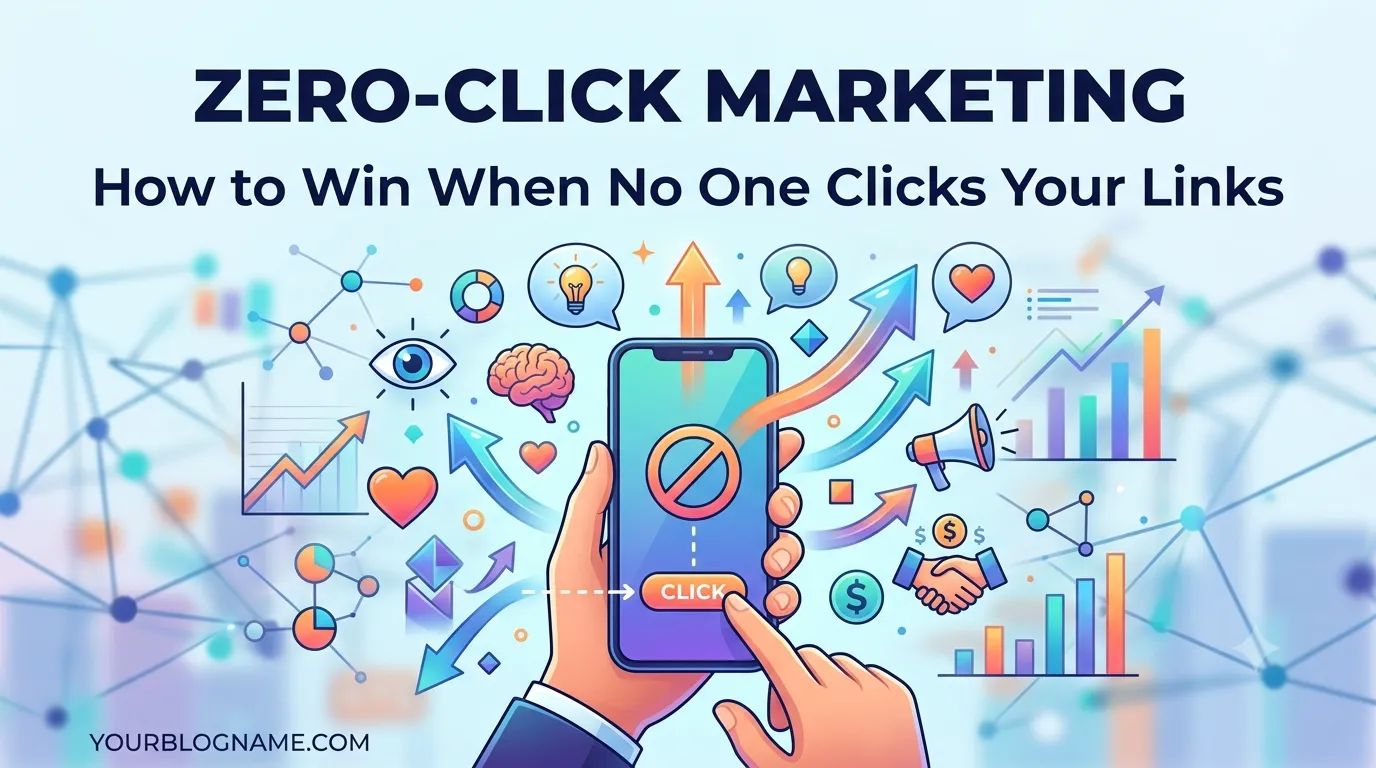
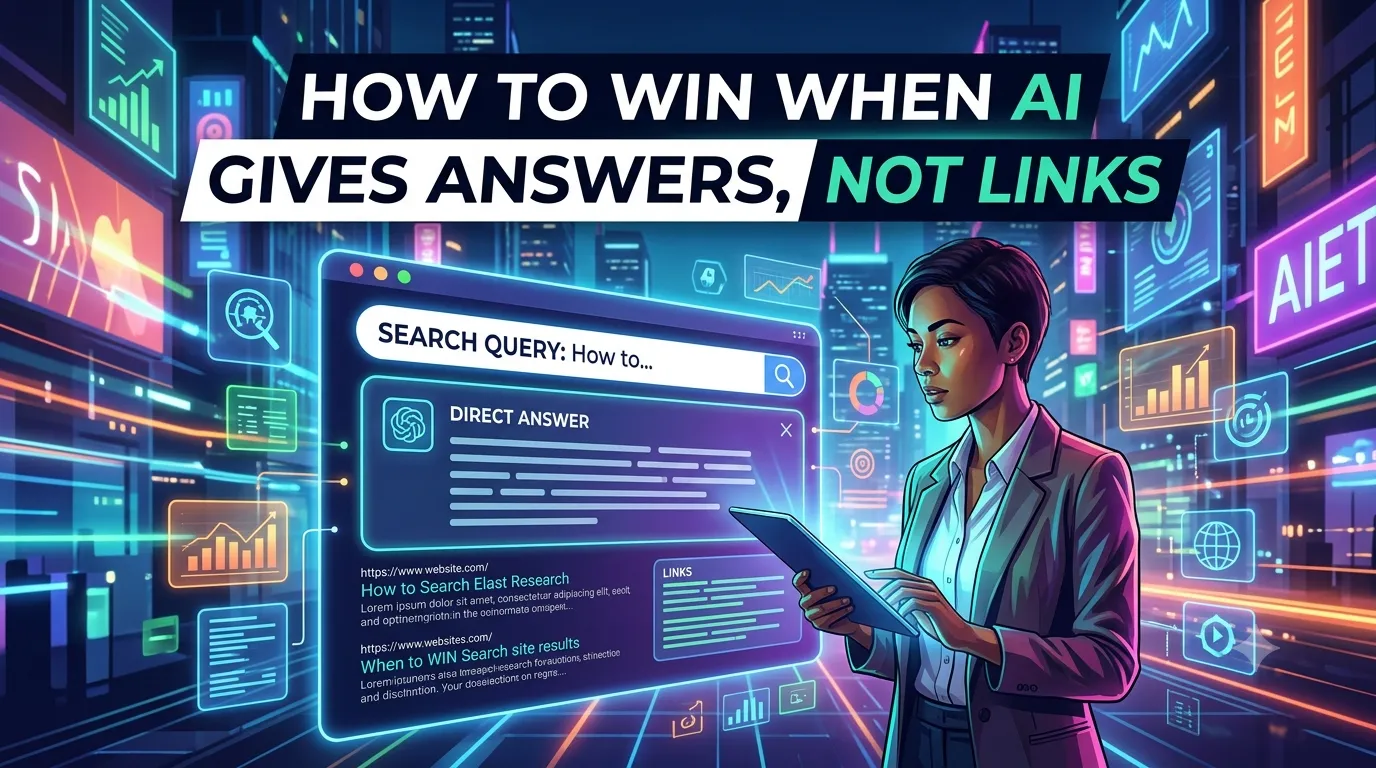
Why? Because AI is now giving answers directly. Search engines, AI assistants, and chat interfaces are increasingly providing synthesized answers to queries — without requiring users to click through to websites. This is called zero-click search.
Right now, nearly half of all searches end without a click. And with the rise of Generative Engine Optimization (GEO) — which focuses on being referenced by AI models — this trend is only accelerating . Over 80% of marketers are adapting their SEO strategies to account for these shifts .
In this guide, I'll show you how to win when AI gives answers, not links. You'll learn how to optimize for AI visibility, build authority that AI trusts, and ensure your brand shows up in the answers people are getting — even when they're not clicking through. Let's dive in.
1. The Zero-Click Reality: Why AI Is Giving Answers, Not Links
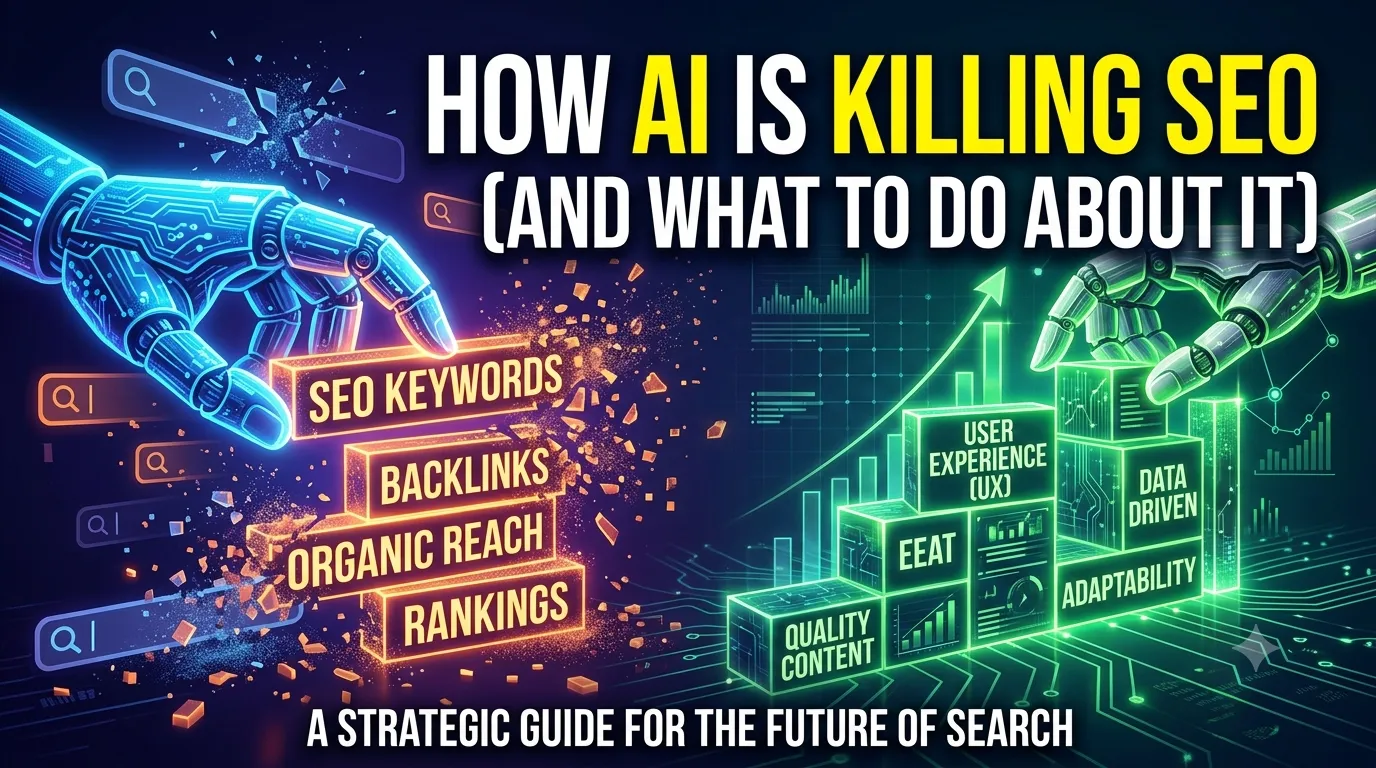
Here's what's happening. Traditional SEO was about getting people to click on your link. You optimized for keywords, built backlinks, and ranked high in search results. But now, AI is changing the game.
AI-powered search engines — like Google's AI Overviews, ChatGPT, Perplexity, and Gemini — are pulling information from multiple sources and presenting synthesized answers directly. Users get the information they need without ever leaving the search page.
Recent data shows that over 70% of AI search queries return summarized answers . This means that a huge portion of your potential traffic is being captured before it even reaches your website.

1.1 What This Means for Your Business
If you're still measuring success only by clicks and website traffic, you're missing the picture. Your content might be influencing purchases, building trust, and driving brand awareness — even without a single click.
2. The Shift from SEO to GEO (Generative Engine Optimization)
This shift has given rise to a new discipline: Generative Engine Optimization (GEO). GEO focuses on optimizing content to be cited and referenced by AI models .
In 2026, 70.2% of marketers believe they can adapt their strategy to changes in organic search . Another 44% are actively adapting their strategy to AI search .
2.1 How GEO Works
Instead of optimizing for keywords and backlinks, GEO focuses on:
- E-E-A-T: Experience, Expertise, Authoritativeness, and Trustworthiness — proven trust signals for models like GPT .
- Brand Awareness: Models often choose to cite recognizable brands .
- Mentions and Citations: The more you're mentioned in reputable sources, the more likely AI is to reference you .
- Contextual Content: Content that provides multiple viewpoints on a topic is more likely to be cited .
3. How to Build Authority That AI Trusts
AI models are becoming better at recognizing trustworthy sources. Here's how to build the kind of authority that gets cited.
3.1 Focus on E-E-A-T
Google's Quality Rater Guidelines emphasize E-E-A-T as a key factor. Experience, Expertise, Authoritativeness, and Trustworthiness are proven trust signals for AI models .
- Experience: Share real-world experience and case studies
- Expertise: Demonstrate deep knowledge in your field
- Authoritativeness: Build a reputation as a go-to source
- Trustworthiness: Be transparent, cite sources, and be accurate
3.2 Build Brand Recognition
AI models often choose to cite recognizable brands . If your brand is mentioned across reputable sources, it signals trustworthiness. This means investing in PR, thought leadership, and consistent brand presence across platforms.
3.3 Get Cited on Reputable Sites
The more mentions you have on high-authority sites, the more likely AI is to reference you. Focus on guest posting, media mentions, and building relationships with industry publications.
4. How to Optimize Content for AI Answers
Here's the practical part. You need to structure your content so AI can easily understand it and use it to answer queries.
4.1 Use Schema Markup
Schema markup helps AI understand your content structure. It enables platforms like Google and ChatGPT to pull rich snippets and present your information directly . Using FAQ schema, product schema, and article schema can significantly improve your visibility in AI-generated answers.
4.2 Provide Clear, Structured Information
AI loves structured content. Use headings, bullet points, and clear sections. Answer questions directly. Create FAQ sections that address common queries concisely .
4.3 Focus on Contextual Content
Content that provides multiple viewpoints on a topic is more likely to be cited by AI . Don't just present one opinion — present a balanced view with context.
5. Metrics That Matter in the Zero-Click Era
If clicks aren't the goal anymore, what should you measure? Here's what matters now.
5.1 Brand Visibility
Track how often your brand or content appears in AI-generated answers. This is a leading indicator of trust and influence.
5.2 Mentions and Citations
Use tools to monitor where your brand is mentioned and how often AI references your content. This shows your influence in the ecosystem.
5.3 Funnel Impact
Even without clicks, your content might be moving people through the funnel. Track brand search volume, direct traffic, and conversion rates. If these metrics increase, AI visibility is working for you.
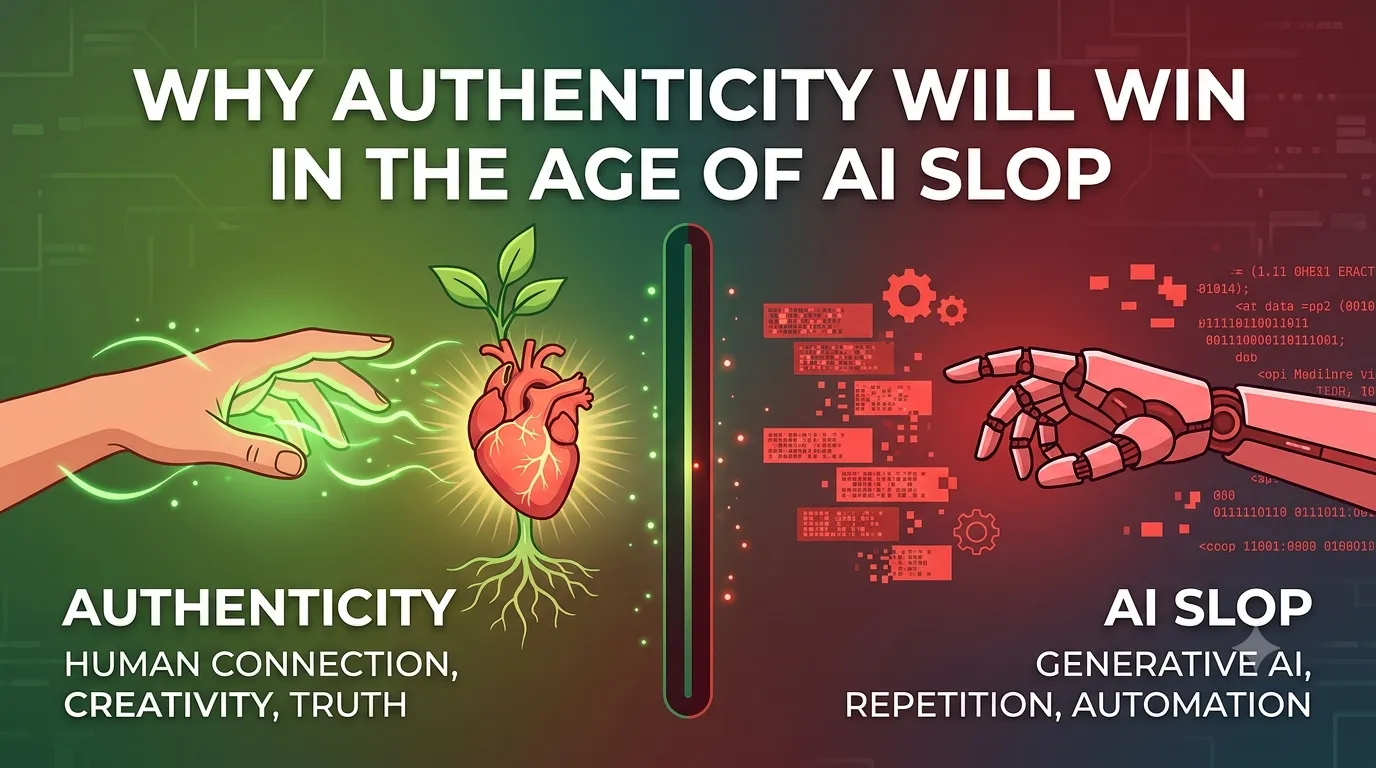
6. The Human Element: Why Authenticity Still Matters
As AI becomes more pervasive, authenticity is your competitive advantage. AI can produce content, but it can't replicate genuine human experience and insight.
6.1 The "Human Differentiator" Framework
AI models are becoming better at recognizing authentic, human-created content. Share your real experiences, mistakes, and lessons learned. This builds trust with both humans and AI .
6.2 The Power of Transparency
Be transparent about who you are, what you do, and what you believe. This is the foundation of trust — and trust is what AI models seek .
7. How to Track Your AI Visibility
Here's how to track your presence in AI-generated answers and understand your share of model .
7.1 Use AI Monitoring Tools
New tools like Poll the People and SEO platforms are starting to track how often brands appear in AI search results. These tools help you understand your visibility in the zero-click ecosystem .
7.2 Conduct Regular "AI Audits"
Sign out of accounts and test queries related to your brand and industry. Ask: "What does ChatGPT say about X?" or "What does Perplexity show about Y?" Compare the answers to what you'd expect and identify gaps .
7.3 Monitor Brand Search Volume
Even without clicks, increased brand search volume is a sign of growing awareness. Use Google Trends and keyword tracking to monitor this .
8. Real-World Examples of Winning in the Zero-Click Era
Here's how businesses are already succeeding in this new paradigm.

8.1 Example 1: The Digital Marketing Course Provider
A digital marketing course provider optimized their content for AI by creating comprehensive FAQ sections, using schema markup, and focusing on E-E-A-T. They now appear in ChatGPT and Perplexity answers for queries like "best digital marketing course for beginners" and "learn AI-powered marketing." They saw a 60% increase in brand search volume and a 40% increase in direct website traffic.
8.2 Example 2: The SEO Agency
An SEO agency focused on building citations on high-authority sites and sharing unique insights on industry trends. They now appear in AI-generated answers for queries like "SEO in 2026" and "how to optimize for AI search." This has positioned them as a trusted authority, driving inbound leads without relying solely on clicks.
9. The Bottom Line: Stop Obsessing Over Clicks
Clicks aren't the only goal anymore. In fact, they're becoming less important every day. If you're still obsessed with clicks, you're optimizing for the wrong metric.
In 2026, the right approach is to optimize for influence, trust, and visibility. If you're cited in the right answers, you'll win — whether or not you get a click.
Focus on building E-E-A-T, optimizing content for AI, and building brand authority. Measure your success by visibility, mentions, and funnel impact — not just clicks .
Conclusion: The Future Is Answers, Not Links
AI is giving answers, not links. The shift to zero-click search is accelerating. And the marketers who adapt will win. Stop obsessing over clicks and start optimizing for visibility and trust. Focus on E-E-A-T, structure your content for AI, and build your brand authority. Show up in the answers people are getting — and you'll win, with or without a click.
But here's the good news: This is an opportunity for you to become a trusted source. Brands that invest in building authority, credibility, and content that AI trusts will have a massive advantage over those still chasing clicks.
The choice is yours. Keep chasing clicks, or start winning the answer.
Join the best Digital Marketing Course to master AI-powered digital marketing and zero-click SEO.
Frequently Asked Questions (5 Unique FAQs)
❓ 1. Is zero-click search really a problem for businesses?
Yes — but only if you're measuring success by clicks. If you're optimizing for visibility and trust, zero-click search is an opportunity. It's about shifting from "get clicks" to "get cited."
❓ 2. What is the difference between SEO and GEO?
SEO focuses on ranking in search results and driving clicks. GEO (Generative Engine Optimization) focuses on being cited and referenced by AI models. It's about brand visibility and influence, not just traffic .
❓ 3. How can I check if my brand appears in AI answers?
Conduct regular "AI audits" by asking ChatGPT, Perplexity, Gemini, and other AI assistants about your brand and industry. Track mentions, citations, and brand search volume to understand your presence in AI answers .
❓ 4. Is content quality more important than keywords now?
Yes. AI models prioritize accurate, trustworthy, and comprehensive content. Keywords still matter, but they're no longer the primary ranking factor. Focus on creating genuine value and building authority .
❓ 5. Will SEO become obsolete?
No. But it will evolve. SEO is shifting from keyword optimization to authority building and AI visibility. SEO professionals who adapt to GEO will thrive .