
The landscape of design is evolving at a breathtaking pace, and with the introduction of Claude Design from Anthropic, this evolution is more accessible than ever. This AI-powered design workspace is not just a tool; it's a game-changer for marketers, product managers, and all creative minds yearning for visual expression without the delay of traditional design bottlenecks.
What is Claude Design?
Launched in April 2026, Claude Design operates on the Claude Opus 4.7 AI model. It's tailored for two distinct user groups:
- Professional Designers: Those seeking to streamline their ideation process.
- Non-Designers: Individuals who need to create visual assets without extensive design skills.
With Claude Design, you can transform simple natural language prompts into polished prototypes, mockups, slide decks, or one-pagers. Imagine the freedom of expressing your ideas without needing to wait for a designer's schedule!

The Iteration Process
Claude Design allows for seamless communication and iteration. You can refine your outputs by:
- Typing follow-up instructions.
- Making direct edits.
- Leaving comments.
- Utilizing built-in controls.
When you're ready to share your work, export options include PDF, PPTX, Canva, and Claude Code workflows, making it easy to integrate into existing design pipelines.
Integrating Claude Design into Your UX Workflow
The traditional UX workflow often suffers from a bottleneck during the ideation phase. Designers are typically required at the outset, slowing down the process when teams are exploring concepts. Claude Design aims to eliminate this delay by allowing anyone to generate a working mockup in mere minutes.

This newfound agility enables teams to:
- Evaluate ideas quickly.
- Discard weak concepts sooner.
- Provide designers with clearer, more refined briefs.
Ultimately, Claude Design enhances the focus of design teams on optimizing products for actual user needs, rather than getting bogged down in the initial stages of the creative process.
The Brand Consistency Feature
One standout feature is Claude Design's ability to ingest a company’s codebase and design files to apply brand guidelines automatically. This is crucial for maintaining visual consistency across various channels, especially when multiple teams and agencies are involved.
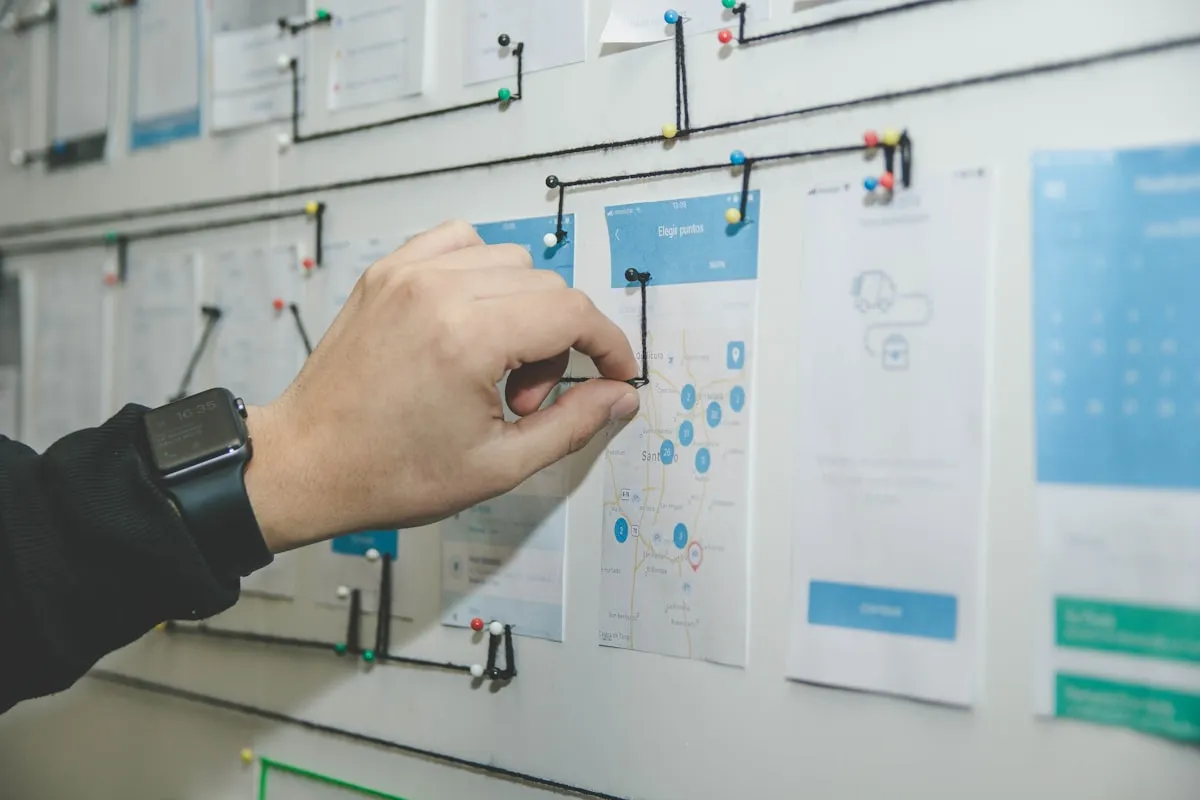
By ensuring brand fidelity from the very first draft, Claude Design helps mitigate the common issue of guideline misinterpretation, allowing for a smoother, more cohesive creative process.
Empowering Non-Designers
For marketing professionals, product managers, and entrepreneurs, the need to convey visual concepts without the presence of a designer is paramount. Claude Design lowers the barrier for producing essential visual assets:
- Create engaging one-pagers for competitive analyses.
- Develop captivating slides for product pitches.
- Generate campaign concepts that go beyond mere text.
While using Claude Design does come with a token consumption rate, its application is best suited for early-stage ideation and internal presentations, ensuring that your most crucial outputs receive the designer's touch before finalization.
Claude Design in the Broader AI Design Landscape
The rise of AI design tools is undeniable, with competitors like Canva and Adobe Firefly already in the mix. However, what sets Claude Design apart is its conversational interface and the ability to hold brand logic in memory for a session, offering a unique flexibility that many traditional tools lack.

This innovation signals a shift towards greater productivity in enterprise environments, as AI continues to expand its role in various facets of knowledge work, including design.
How to Start Using AI Design Tools in Your Workflow
Ready to embrace Claude Design or similar tools? Here’s how to get started:
- Start with low-stakes assets: Focus on internal presentations and early-stage mockups.
- Incorporate brand guidelines: Use file ingestion to ensure brand consistency right from the start.
- View outputs as drafts: Always plan for designer reviews before final submissions.
- Use it for brief writing: Generate mockups to better communicate your vision to designers, cutting down on revisions.
- Track time savings: Measure how much faster ideation cycles become with this tool.
FAQs
What is Claude Design?
Claude Design is an AI-powered design workspace from Anthropic, enabling users to create mockups, prototypes, and more through natural language prompts.
Who is it built for?
It's designed for both professional designers and non-designers looking to produce visual assets without extensive design expertise.
Does it replace Figma or Canva?
No, it's meant to complement these tools during the ideation phase, not to replace them.
What can it export?
Outputs can be exported to PDF, PPTX, Canva, or Claude Code workflows.
What is its main limitation?
The tool consumes tokens at a meaningful rate, making it best for early-stage ideation rather than high-volume production work.
Conclusion
The advent of Claude Design signifies a pivotal moment in the design world, especially for UX teams. By enabling faster ideation and clearer communication among non-designers, it can reshape workflows and enhance productivity. As you explore the potential of AI tools in your digital marketing strategy, remember that embracing change is crucial for staying ahead. Want more insights on integrating AI into your marketing efforts? Check out our detailed guide on AI tools for marketers to begin your journey towards innovation!